 日本語
日本語 English
 中文简体
中文简体-
What Are RPET Snack Serving Bowls and Why Are They Used?
RPET snack serving bowls are tableware products made from recycled polyethylene terephthalate (PET), a material commonly recovered from post-consumer plastic bottles. These bowls are designed for serving snacks, fruits, or small food portions while providing a sustainable alternative to single-use plastic tableware. The use of RPET aligns with environmental initiatives by promoting recycling and reducing plastic waste.
What Types of RPET Snack Serving Bowls Are There?
RPET snack serving bowls are available in several types depending on shape, capacity, and functional design.
1. Shape-Based Varieties
Round bowls
Standard circular bowls suitable for individual portions or casual snack servings.
Simple design allows stacking for efficient storage.
Square or rectangular bowls
Designed for modern table presentations or compartmentalized serving.
Flat edges allow better arrangement on trays or plates.
Segmented or multi-compartment bowls
Include built-in divisions for separating different types of snacks.
Useful for serving multiple food items without mixing flavors.
2. Capacity and Style Options
Small portion bowls
Ideal for individual servings, dipping sauces, or sample tastings.
Typically range from 50ml to 150ml in volume.
Medium serving bowls
Suitable for sharing snacks such as nuts, chips, or fruit slices.
Volume generally ranges between 150ml and 300ml.
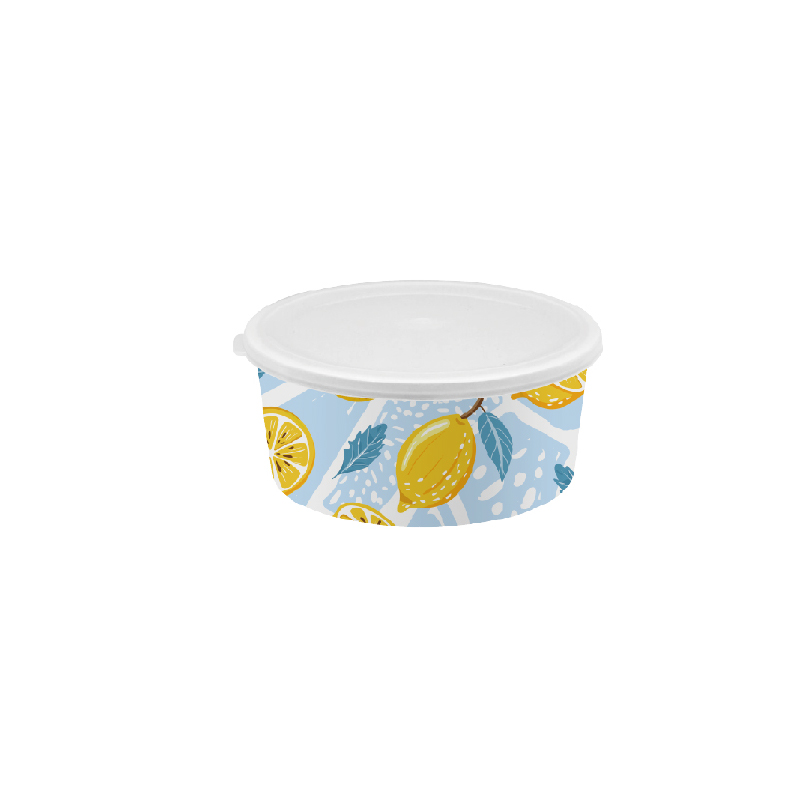
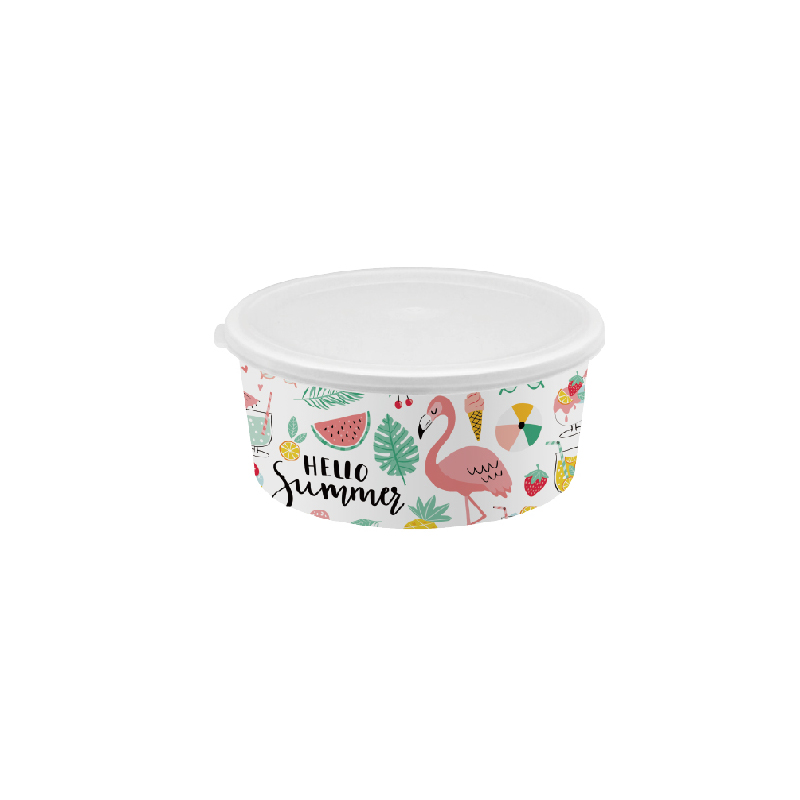
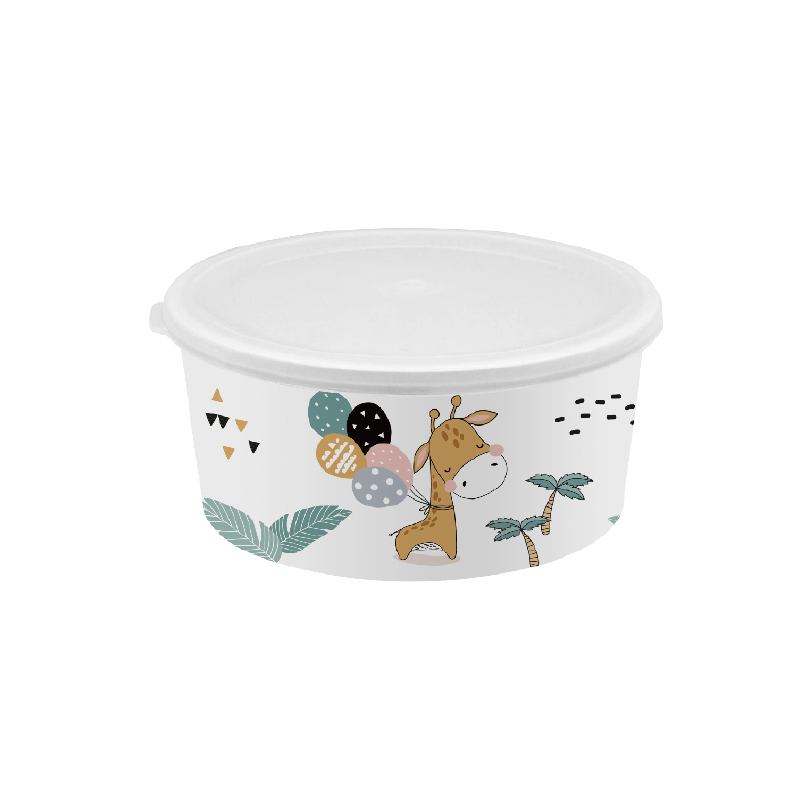
Decorative or printed bowls
Bowls may feature patterns, colors, or textures to enhance presentation.
Some designs incorporate semi-transparent material for visual appeal.
These types allow RPET bowls to be used in households, catering, or commercial food service while addressing different presentation and portion needs.
Why Is the RPET Snack Serving Bowl Worth Buying?
RPET snack serving bowls provide multiple benefits for consumers and food service operators, including sustainability, durability, and convenience.
Environmental Benefits
Recycled material usage
RPET is made from post-consumer plastic bottles, reducing landfill waste.
Encourages the circular use of plastic and supports recycling initiatives.
Biodegradable handling options
While RPET is recyclable rather than fully biodegradable, its use reduces the need for virgin plastic production.
Choosing RPET supports more environmentally conscious consumer behavior.
Practical Benefits
Durable and lightweight
RPET bowls are resistant to cracks and breakage compared to conventional disposable plastics.
Lightweight construction makes them easy to transport, stack, and serve.
Food-safe and versatile
Certified for food contact, ensuring safety when serving hot or cold snacks.
Suitable for a variety of foods, including dry snacks, fruits, or small baked goods.
Reusability
Depending on handling, RPET bowls can be reused multiple times, reducing waste and cost over time.
These benefits make RPET bowls practical for both everyday household use and catering or commercial applications.
How Is the Printing Technology of the RPET Snack Serving Bowl?
The appearance and presentation of RPET snack bowls can be enhanced using printing technologies that apply patterns, logos, or decorative designs.
1. Surface Printing Methods
Screen printing
Ink is pressed through a mesh stencil to apply designs directly onto the bowl's surface.
Suitable for simple patterns or branding logos on flat or slightly curved surfaces.
Digital printing
Allows high-resolution, full-color designs to be applied with precision.
Effective for bowls with complex images, gradients, or multi-color patterns.
2. In-Mold Decoration
In-mold labeling (IML)
Labels or decorative films are placed inside the mold before RPET is formed.
The bowl surface integrates the design during molding, creating a durable and long-lasting print.
Consistency and durability
In-mold decoration reduces wear or peeling of designs during use and washing.
Suitable for high-volume production where uniformity is important.
3. Considerations for Printing
Food safety
Only food-grade inks or films are used to prevent contamination.
Prints must comply with regulatory standards for direct or indirect food contact.
Aesthetic flexibility
Printing technology allows customization for branding, seasonal patterns, or thematic presentations.
Bowls can be adapted for special events, promotions, or commercial branding.
These printing methods enhance the functionality and market appeal of RPET snack bowls by providing decorative and branded options without compromising material integrity or safety.