 日本語
日本語 English
 中文简体
中文简体-
How Is the Wood Fiber Cutting Board Popular in the Market?
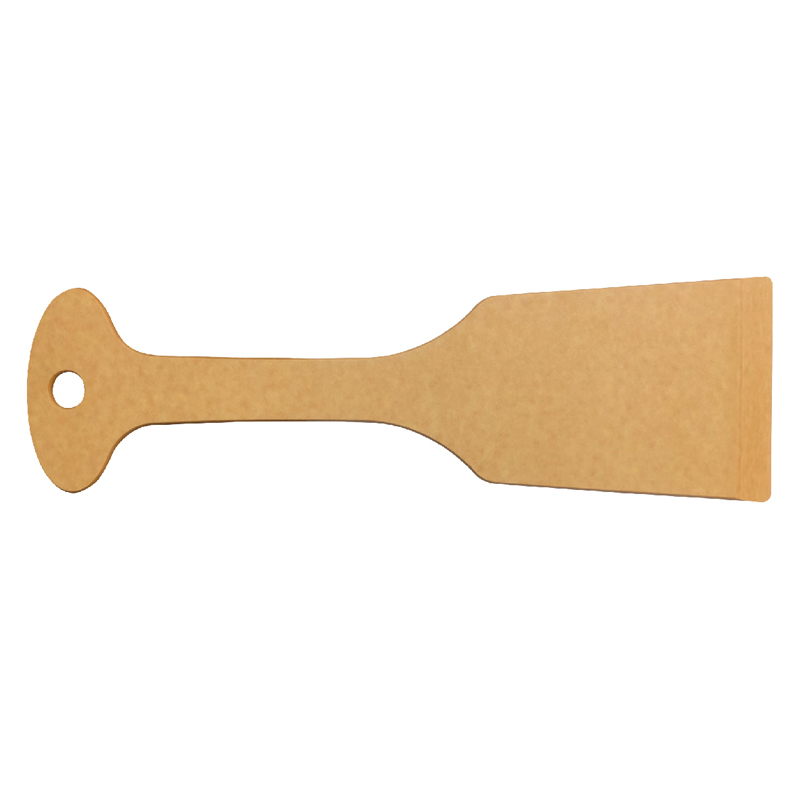
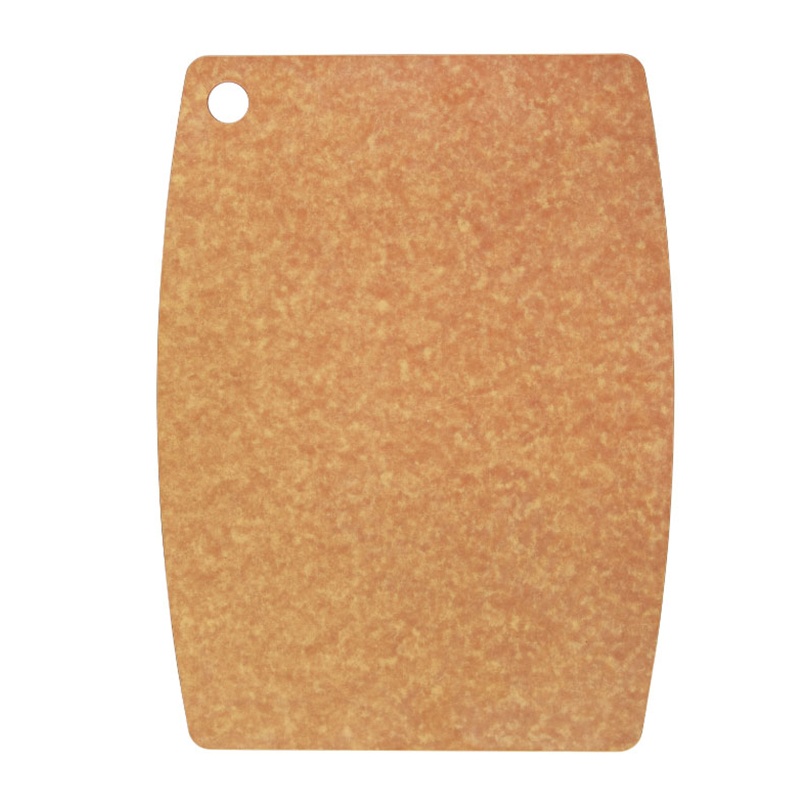
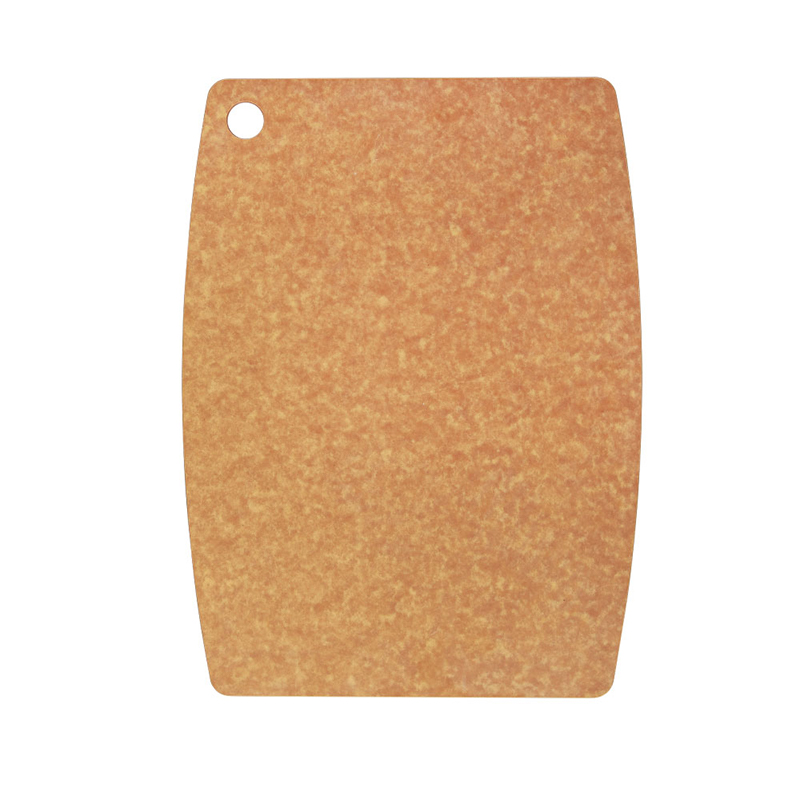
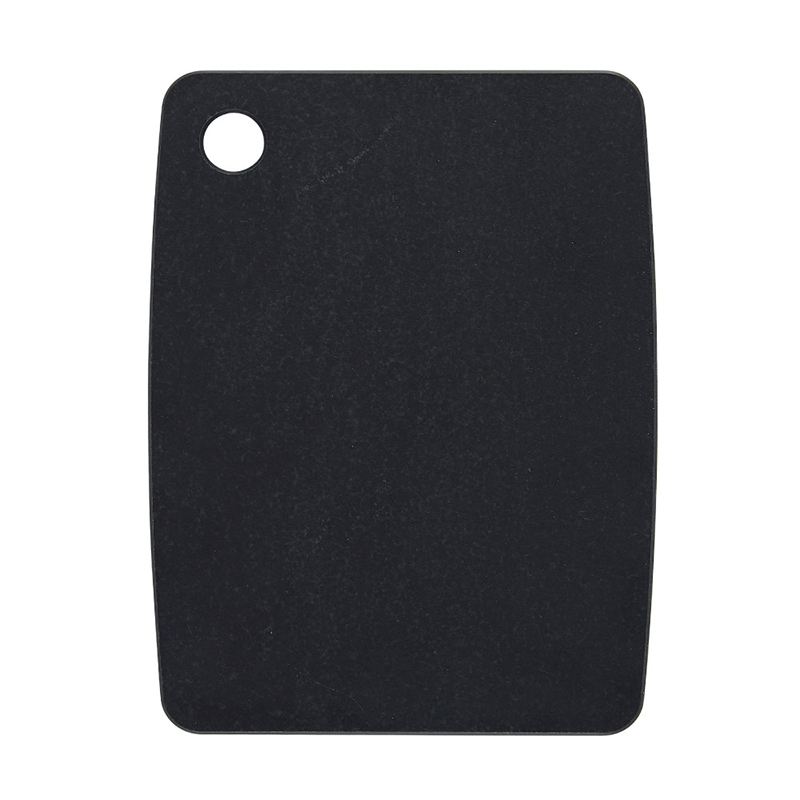
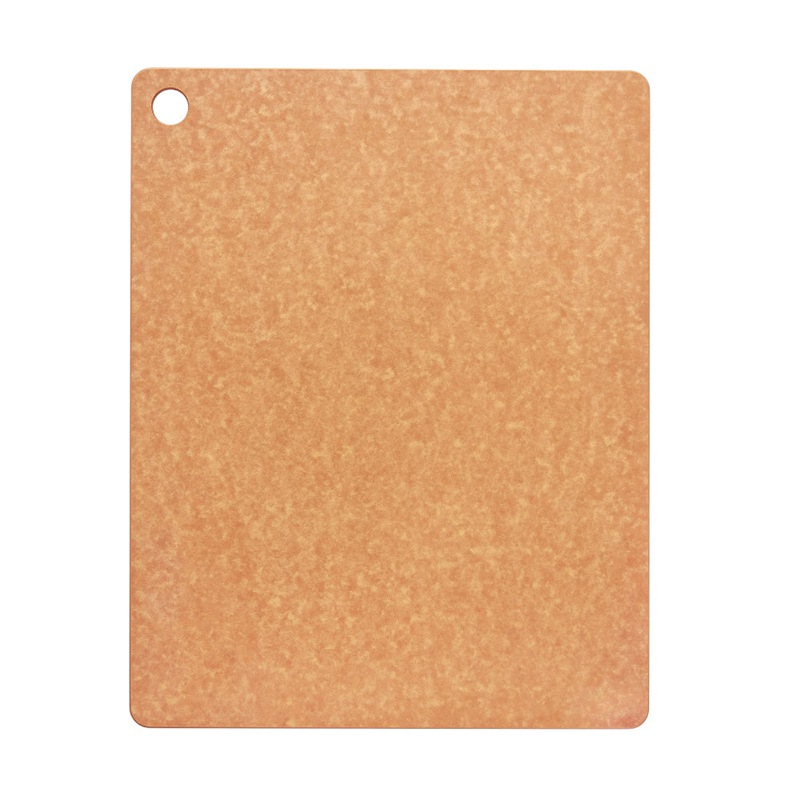
Wood fiber cutting boards have become increasingly common in kitchens for both home cooks and professional chefs. These boards are typically made from compressed wood fibers combined with food-safe adhesives, creating a durable and smooth cutting surface. Compared to traditional solid wood or plastic boards, wood fiber cutting boards offer a balance of durability, hygiene, and eco-friendliness, which contributes to their popularity.

Practical Benefits for Kitchen Use
Wood fiber cutting boards are appreciated for their functional advantages in everyday cooking.
Durable and resilient
Made from compressed wood fibers, these boards resist cracking, warping, and chipping.
The composite structure allows them to withstand repeated cutting without excessive wear.
Knife-friendly surface
Wood fiber surfaces are gentler on knives compared to glass or ceramic boards, helping maintain blade sharpness.
The slightly textured surface provides stable cutting without slipping.
Lightweight and portable
Boards are generally lighter than solid wood cutting boards, making them easy to lift, move, and clean.
Portability is useful for food preparation in various kitchen areas or for serving purposes.
These practical characteristics make wood fiber cutting boards suitable for daily food preparation in both domestic and professional kitchens.
Hygiene and Food Safety Considerations
Hygiene is a key factor in the adoption of wood fiber cutting boards in modern kitchens.
Water-resistant properties
Many wood fiber boards are treated with food-safe resins or coatings that reduce water absorption.
This resistance minimizes swelling or cracking that can trap bacteria.
Non-porous surface
The compressed fiber structure limits the penetration of juices from meat, fish, or vegetables, reducing contamination risks.
Easy-to-clean surfaces allow quick washing and sanitizing after use.
Odor and stain resistance
Unlike some wooden boards, wood fiber boards are less prone to retaining odors or staining from colored foods.
This makes them suitable for cutting a variety of foods without transferring flavors.
These features contribute to safer food handling, which is an important consideration for consumers.
Market Accessibility and Consumer Appeal
Several factors have contributed to the market popularity of wood fiber cutting boards.
Affordable pricing
Compared to high-end solid wood boards, wood fiber options are generally more budget-friendly.
Mid-range boards offer durability and hygiene at a cost accessible to households.
Variety in sizes and shapes
Boards are available in multiple dimensions, from small prep boards to larger boards for slicing meats or baking.
Shapes include rectangles, squares, and rounded edges to suit different kitchen spaces and purposes.
Availability
Wood fiber cutting boards are sold in kitchenware stores, supermarkets, and online marketplaces, providing easy access for consumers.
Online reviews and product descriptions help customers make informed choices regarding size, weight, and material quality.
Eco-conscious appeal
Many wood fiber boards are made using sustainable wood sources or recycled wood fibers.
This environmental aspect appeals to consumers seeking eco-friendly alternatives to plastic boards.
These market factors make wood fiber cutting boards an accessible, practical, and environmentally conscious choice for modern kitchens.
Design and Functional Features
The design of wood fiber cutting boards focuses on user convenience, durability, and aesthetic appeal.
Surface texture and smoothness
Boards provide a smooth, flat cutting area that supports precise slicing and chopping.
Slight surface texture helps prevent food from slipping during cutting.
Edge and shape design
Some boards include juice grooves along the edges to collect liquids from meats or fruits.
Rounded or beveled edges improve handling and make the boards easier to store.
Non-slip base
Rubber or silicone pads on the underside prevent sliding during cutting, enhancing safety.
Some boards are designed with integrated handles for easier lifting and moving.
Color and aesthetic options
Natural wood tones or lightly colored finishes complement kitchen decor.
Some boards include decorative patterns or branding for visual appeal.
These design considerations make wood fiber cutting boards practical, safe, and visually suitable for kitchens.