 日本語
日本語 English
 中文简体
中文简体-
Wooden Bread Basket in Everyday Dining
A Wooden Bread Basket has quietly become a central piece on many dinner tables, serving not only as a functional container but also as an elegant element of presentation. Increasingly, diners and chefs alike recognize that the right basket can transform the way bread, rolls, and pastries are displayed, adding a touch of warmth and authenticity to any meal. The subtle textures and natural wood grains create a visual appeal that complements a variety of table settings, from rustic farmhouse dinners to modern minimalist arrangements. In addition, wooden baskets provide practical benefits, such as allowing air circulation to keep bread crusty and fresh for longer periods, making them a thoughtful choice for both everyday dining and special occasions.
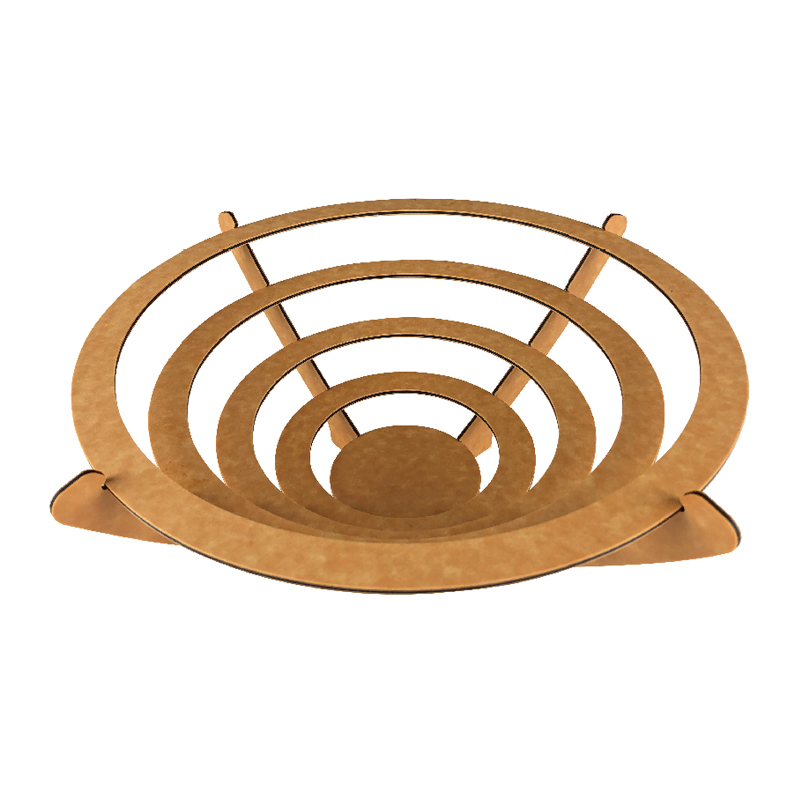
More consumers are now prioritizing sustainability in their kitchenware, and wooden baskets perfectly align with this preference. Crafted from responsibly sourced wood or reclaimed materials, these baskets offer an eco-conscious alternative to plastic or disposable serving options, allowing hosts to maintain a sense of style without compromising environmental values. Beyond functionality and sustainability, wooden bread baskets also carry a sense of tradition and craftsmanship, bridging the gap between heritage dining practices and contemporary home styling. This combination of practicality, aesthetic charm, and eco-friendly design has solidified the wooden bread basket’s place as a quietly influential accessory in modern dining culture.
One key appeal of wooden bread baskets is their aesthetic charm. Natural wood tones and grain patterns add warmth to a table setting, complementing modern, rustic, or minimalist décor. Surveys suggest that nearly 40% of diners are influenced by the presentation of meals, and wooden baskets contribute to a refined dining experience without requiring elaborate plating. They are particularly effective in highlighting artisanal bread, creating a sense of care and craftsmanship in both casual and formal meals.
Functionality is another reason these baskets are favored. Unlike closed containers that trap moisture, open wooden baskets allow air to circulate, preserving the texture and crust of fresh bread. Bread stored in these baskets tends to stay crisp on the outside while remaining soft inside. This practical benefit, combined with ease of cleaning and maintenance, has led many restaurants and home cooks to adopt wooden baskets for everyday use and special occasions.
Environmental considerations also play a significant role in their popularity. Consumers increasingly seek kitchenware made from renewable and sustainable materials, and wooden baskets meet this demand. Many products are made from responsibly sourced or reclaimed wood, appealing to environmentally conscious buyers. The combination of durability, elegance, and sustainability makes wooden bread baskets a versatile choice for modern kitchens.
The versatility of wooden bread baskets extends beyond bread. They can hold pastries, fruit, or even small snacks, maintaining their visual appeal while offering practical storage. In events and catering, the baskets’ ability to integrate with linens and table settings makes them an elegant solution for serving multiple types of food in one cohesive display.
As dining culture continues to emphasize presentation, natural materials, and multifunctionality, the wooden bread basket remains a reliable choice for home cooks and professionals alike. It bridges traditional charm with modern sensibilities, making meals visually appealing, practical, and environmentally thoughtful. Whether for a family breakfast, a dinner party, or a bakery display, the wooden bread basket continues to enhance dining experiences with elegance and simplicity.
FAQs
Q: How should I clean a wooden bread basket?
A: Wipe with a damp cloth and air dry completely.
Q: Can it be used for other foods?
A: Yes, it is suitable for pastries, fruits, or rolls.
Q: Is it suitable for humid climates?
A: Yes, but store in a dry, ventilated area to prevent warping.