 日本語
日本語 English
 中文简体
中文简体-
Practical Value of Wooden Fiber Tools
- Comfortable to hold for long cooking sessions
- Safe for coated pans and sensitive cookware
- No heat conduction into the handle
- Neutral toward food taste and acidity
- Long-lasting when wiped dry and oiled occasionally
The Wooden Fiber Kitchen Tools are becoming a staple in everyday cooking, not simply because they look natural, but because they solve several problems that home cooks talk about often: cookware scratches, food safety, and durability. In a world where people cook fast meals during the week and slower home-style dishes on weekends, the choice of utensils begins to matter more than people expect.
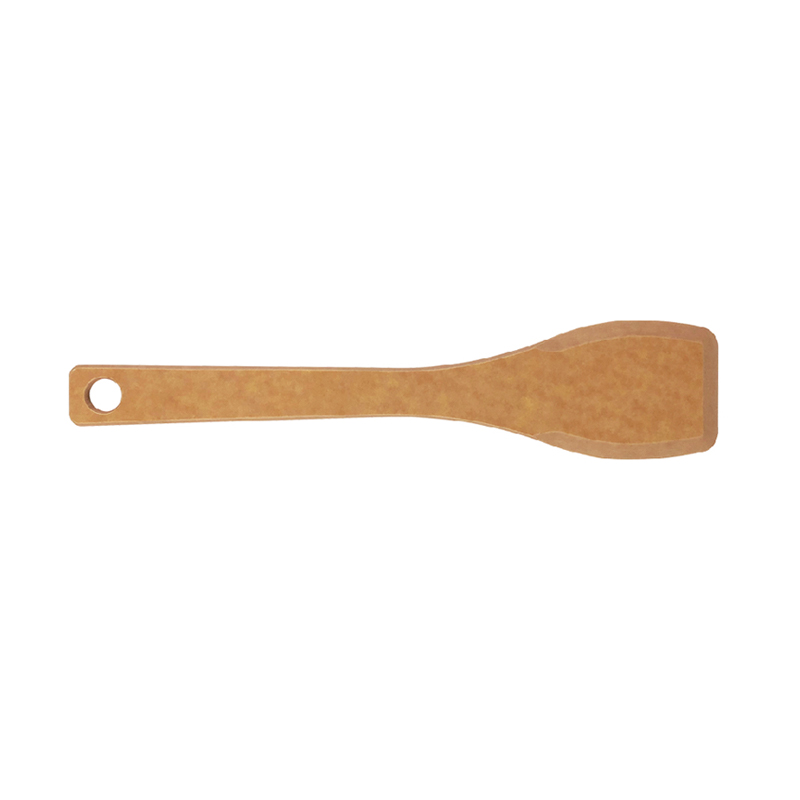
A major part of the discussion revolves around protecting cookware. Non-stick, ceramic, enamel, and cast-iron surfaces can be expensive, and constant scraping from metal tools shortens their lifespan. Wooden fiber spatulas and spoons allow people to cook confidently without worrying about scratching. This helps households save money and keeps cookware performing well for longer.
Heat comfort is another everyday advantage. Metal utensils quickly heat up, causing accidental burns or the need to use kitchen towels as makeshift grips. Wooden fiber tools remain comfortable to hold during long cooking sessions. For someone cooking soup for 30 minutes or working through a stir-fry, a cooler-to-touch handle makes cooking smoother and easier.
Food taste and safety naturally come into the conversation. Acidity from tomatoes, vinegar, or lemon does not react with wood the way it may with metal. This practicality matters to people who care about flavor purity and avoid utensil materials that could create a metallic taste or introduce chemicals. Parents cooking for children often choose wooden tools for this reason.
Sustainability is another point many families care about. Wooden fiber tools come from renewable materials and can be reused for long periods when cared for. With growing awareness around reducing waste at home, practical steps such as avoiding plastic utensils align with values many people identify with—using fewer synthetic items while choosing options that last longer.
The daily-life aspect shows up clearly in how people use these tools. Someone scrambling eggs in the morning uses a wooden spatula because it protects their non-stick pan. Someone cooking stew for the family uses a wooden spoon for comfort. People mixing batter for baking enjoy the stability of a solid wooden tool that doesn’t flex awkwardly like thinner synthetic versions.
Consumer expectations also reflect a preference for tools that do not need constant replacement. Many find that they replace plastic tools frequently due to bending, melting, or absorbing odors, whereas wooden fiber tools continue to work well with occasional oiling and drying. Durability matters not as a technical specification, but as a real household convenience.
Here are practical points people often look at when discussing or comparing wooden kitchen tools:
This shows that the appeal is not decorative—it’s about simplifying everyday kitchen routines.
People who cook regularly, whether families or casual weekend hosts, often discover that wooden fiber utensils become the tools they reach for often. They feel safe, reliable, and intuitive to use. They represent a broader idea: kitchens that work smoothly, without fuss, and without unnecessary risks or chemicals. The conversation is not about trends; it’s about the comfort of choosing tools that respect both the cook and the cookware.
FAQ
Q: Will these tools scratch my cookware?
No. Wooden fiber surfaces are gentle and suitable for cookware types.
Q: How do I maintain them?
Just hand wash, dry thoroughly, and occasionally apply food-safe oil.
Q: Do they change the taste of food?
No. Wooden tools remain neutral with acidic and hot foods.
Q: Why choose wood over plastic or metal?
Wood is non-reactive, comfortable to handle, and safer on cookware.
For households that value simple cooking, safe food handling, and reliable utensils, Wooden Fiber Kitchen Tools offer a balanced option that supports daily meals without complications.