 日本語
日本語 English
 中文简体
中文简体-
Wood Fiber Cutting Board: Is It Right?
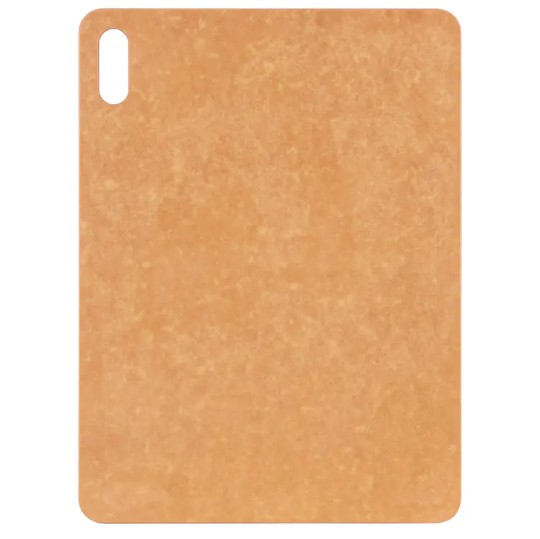
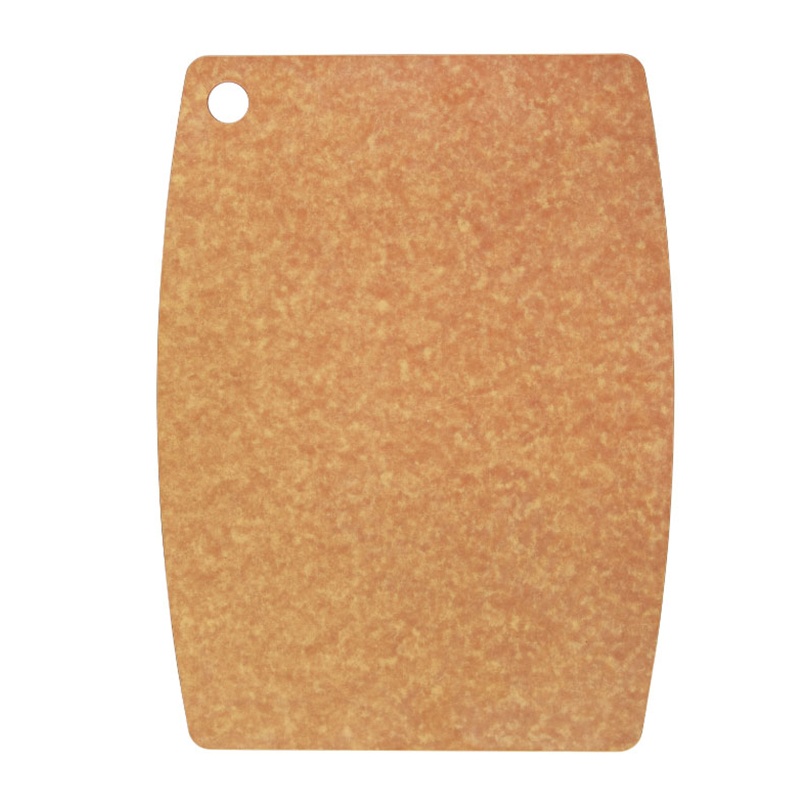
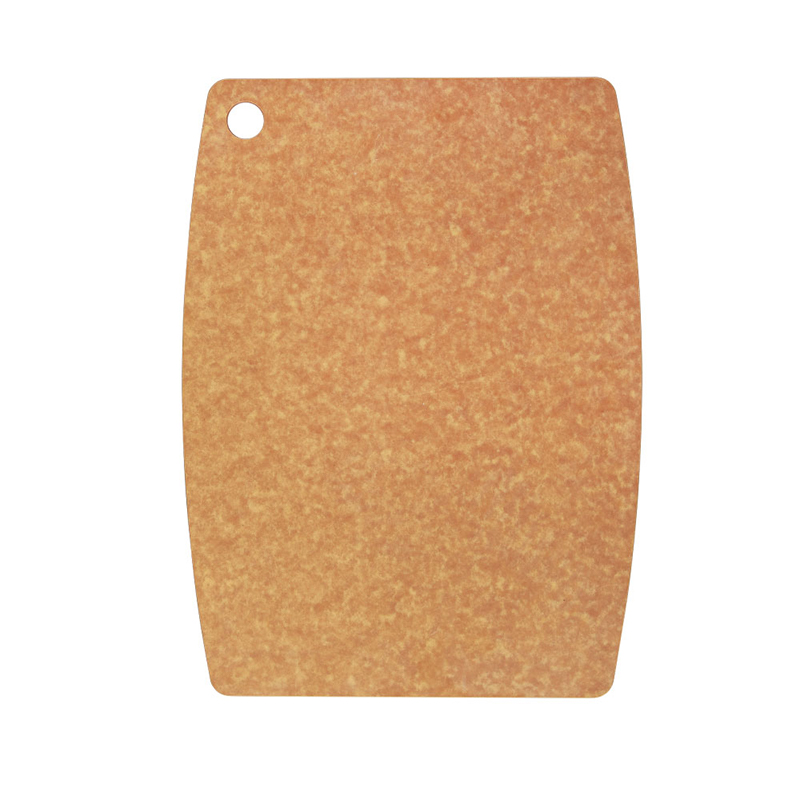
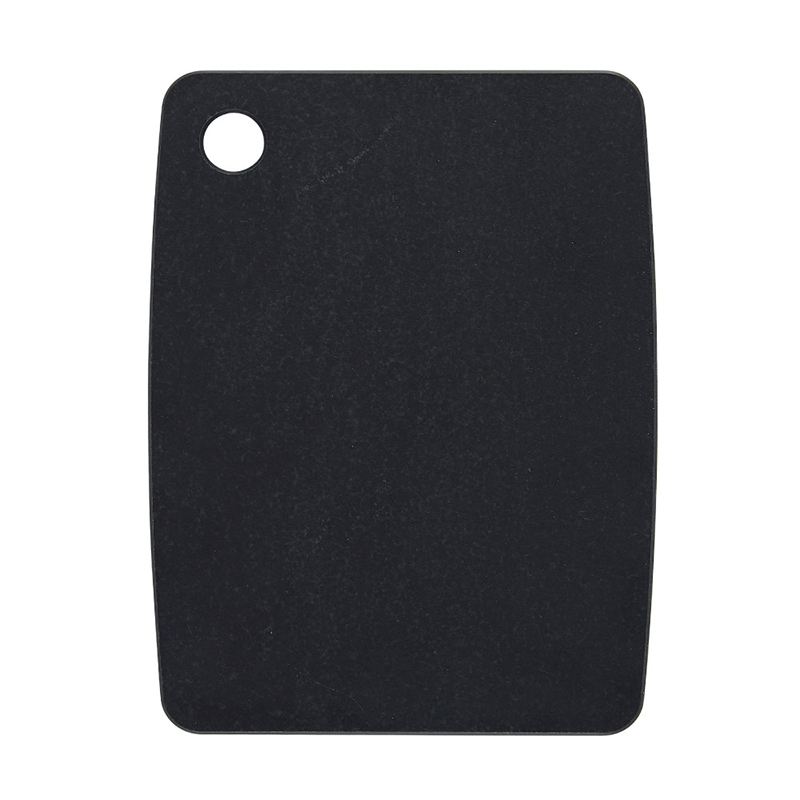
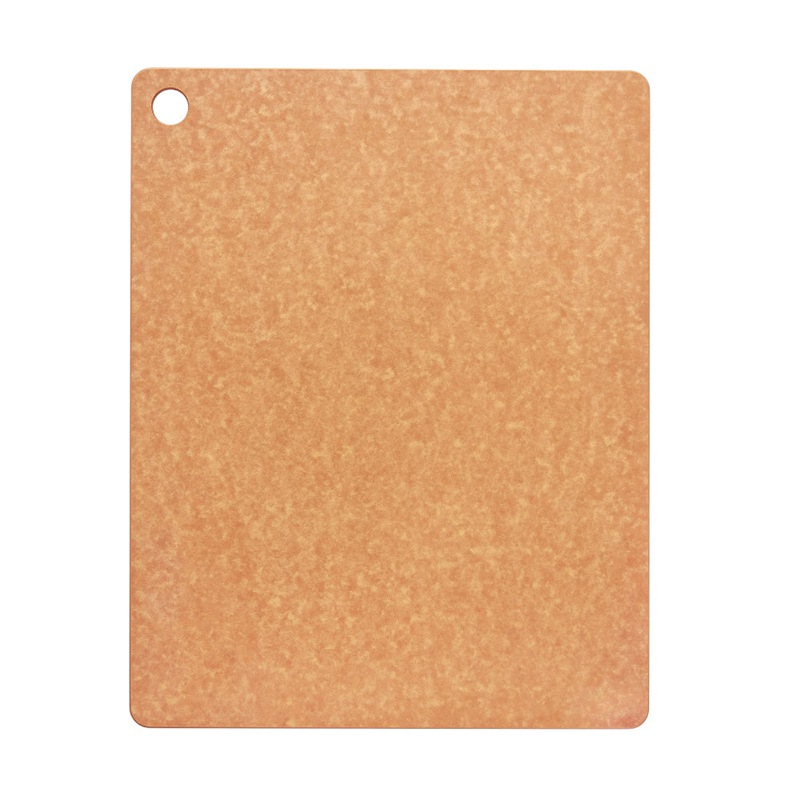
Wood fiber cutting boards are increasingly popular for home kitchens due to their combination of durability, hygiene, and ease of use. Unlike traditional wood or plastic boards, they are engineered to be non-porous, making them less likely to absorb moisture or odors. Many users find them ideal for daily food preparation, whether chopping vegetables, slicing meat, or serving cheese. Their smooth surface offers a reliable base that reduces the risk of cross-contamination and keeps food preparation cleaner.
One of the main advantages of wood fiber cutting boards is their antimicrobial performance. Because the material does not have deep pores like natural wood, bacteria and mold have fewer places to grow. This makes cleaning simpler, and a quick rinse with soap and water is often enough to maintain hygiene. Users also note that non-porous boards dry faster and are less prone to warping or cracking over time, compared to some wooden boards that require careful maintenance.
Another consideration is how these boards interact with knives. Wood fiber cutting boards are generally gentle on blades, although some harder composite boards can cause faster dulling if used heavily. For many home cooks, they strike a balance between durability and blade safety, providing a stable surface for cutting without compromising the sharpness of kitchen knives. Their design also accommodates different cutting tasks, from delicate slicing to heavier chopping.
Maintenance is straightforward. These boards typically do not need oiling, unlike traditional wooden boards. Regular washing and drying are sufficient to keep them clean. Many users appreciate that the boards are resistant to staining, making them practical for fruits, vegetables, and even brightly colored sauces. Proper care ensures longevity and continued reliability for daily kitchen tasks.
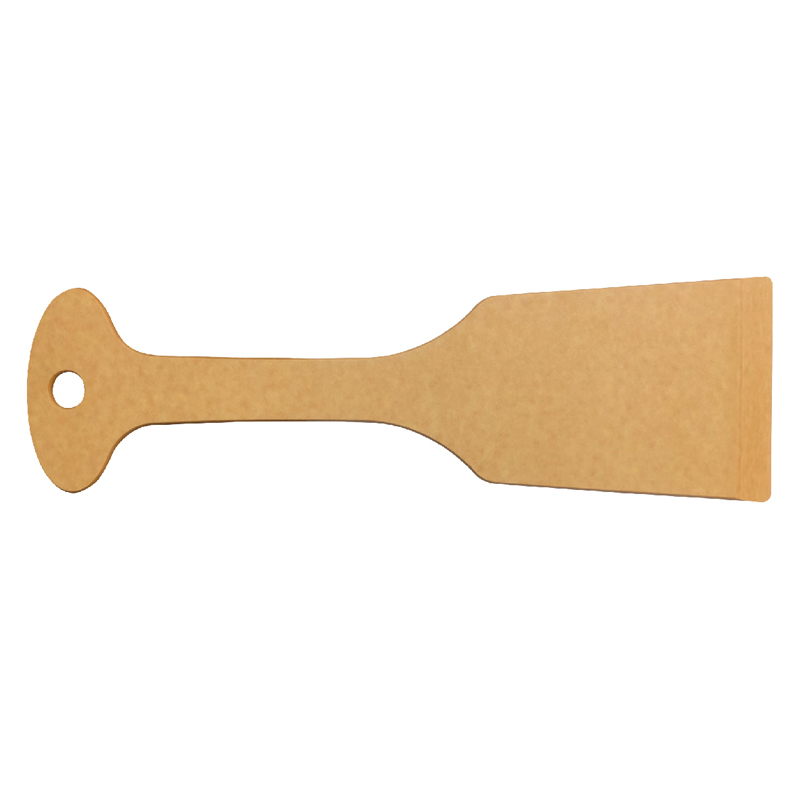
Wood fiber cutting boards also offer a versatile and practical option for kitchens of all sizes. Their lightweight design makes them easy to move, store, or even use as serving trays. They can complement a variety of kitchen styles while providing a hygienic surface for food preparation. The combination of strength, stability, and ease of cleaning makes them a convenient tool for anyone seeking an alternative to conventional boards.
Overall, a Wood Fiber Cutting Board combines hygiene, durability, and practicality, making it a popular choice for home kitchens. It provides a stable cutting surface that protects knives while handling a variety of foods. The material resists common kitchen issues such as warping, staining, and bacterial buildup, and it can handle frequent washing and use without losing shape or performance. Its balance of strength and ease of cleaning makes it suitable for daily meal preparation and helps maintain a more organized and sanitary kitchen environment.
FAQ
Q: Can wood fiber boards be used for raw meat?
A: Yes, their non-porous surface makes them suitable for raw meat as long as they are cleaned after each use.
Q: Are they safe for knives?
A: Most wood fiber boards are gentle on blades, though extremely hard composite boards may cause minor dulling over time.
Q: How should they be cleaned?
A: Soap and water are usually enough. Drying thoroughly helps maintain the board's condition.
Q: Do they need special maintenance?
A: Unlike traditional wooden boards, they do not require oiling and are generally low-maintenance.